






Description
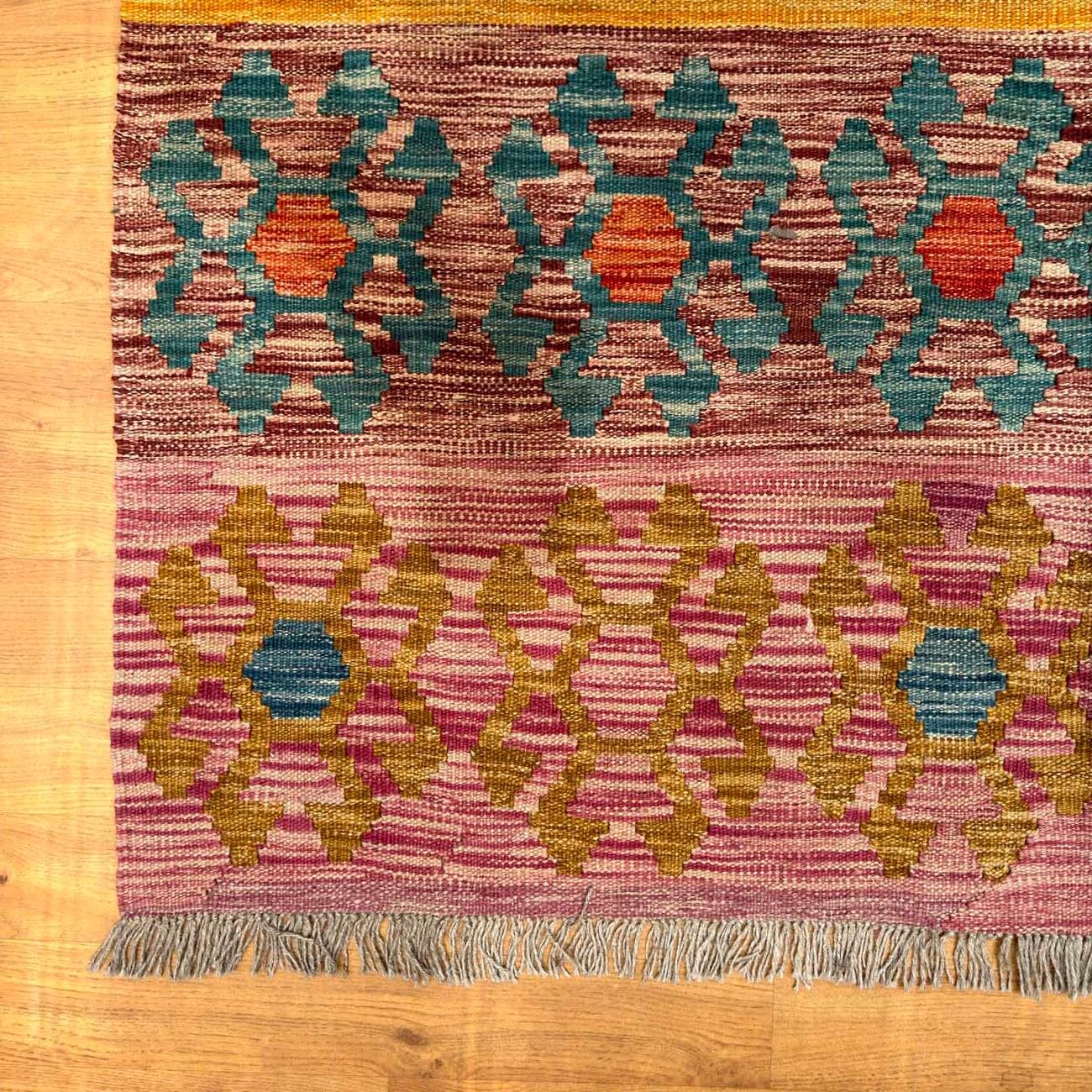
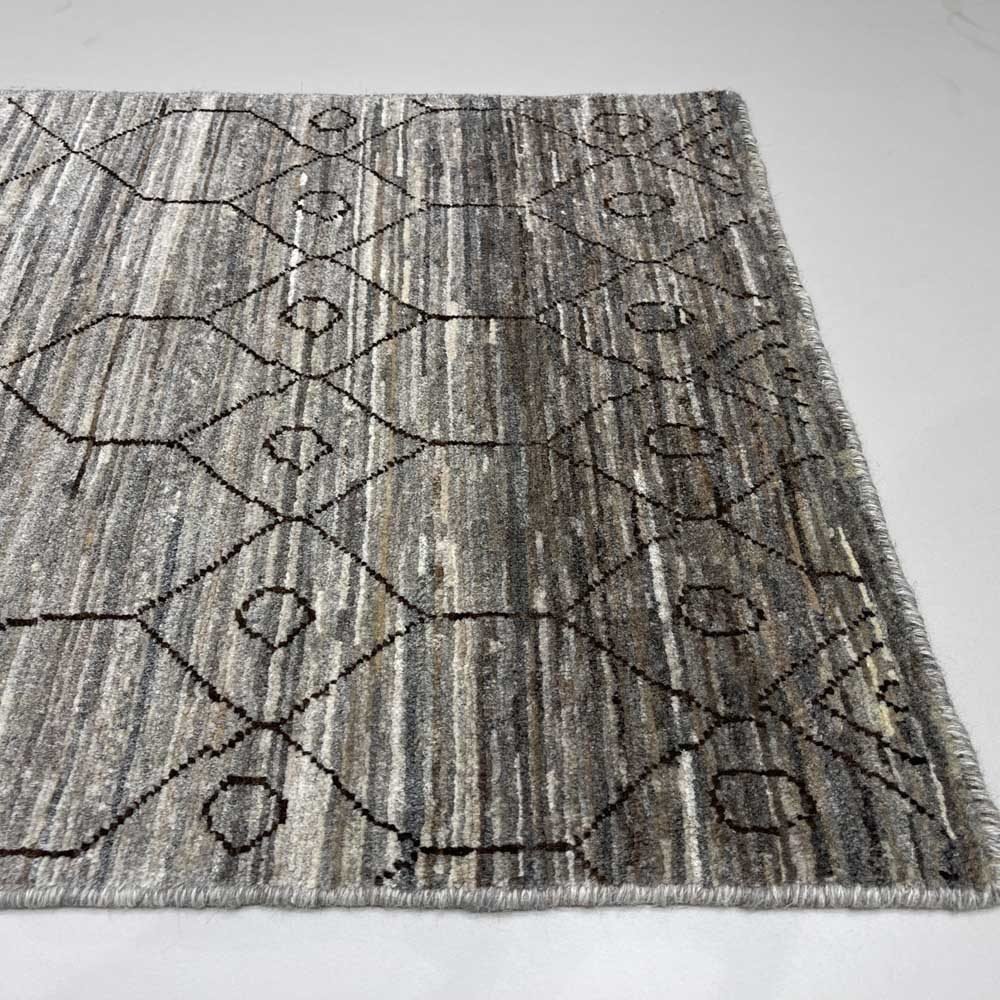
Kilim weaving reaches back as far as the 4th century BC. As well as being used as a floor covering, kilims can also serve as wall hangings, table covers or bedspreads. Their portability and multi-purpose use gave them an important place in the life of nomadic cultures. Kilims are woven with a flat, knotless technique in which the weft threads pass under and over the warp threads, giving them a flat, thin and lightweight structure.
Kilim weaving has been part of many cultures for centuries, and every kilim reflects the cultural and historical heritage of the region where it was made. With their handcraft and original designs, kilims are highly prized as art around the world. Kilims suit a wide range of decorating styles, from bohemian to rustic and from modern to Scandinavian. Their colourful and varied patterns bring warmth, vitality and originality to a room. They can be used on the floor or on the wall, creating a natural and inviting atmosphere in any setting.






 English
  French
  Dutch
Dutch