




Description
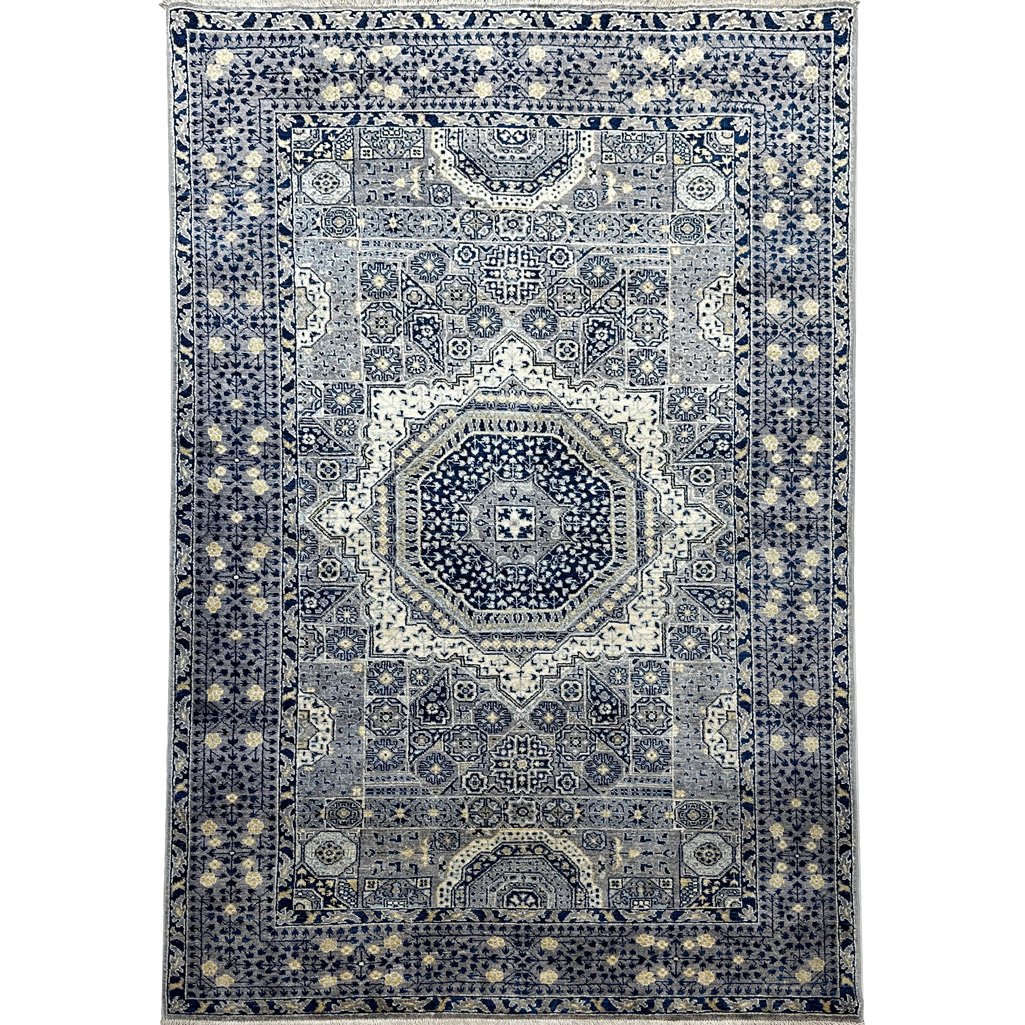
Mamluk rugs were produced during the Mamluk Sultanate, which ruled between 1250 and 1517, above all in Cairo. When the Ottoman Empire conquered the region in 1517, production passed under Ottoman control. Exported along the trade routes to Europe and to other Islamic countries, these rugs were prized across a wide geography.
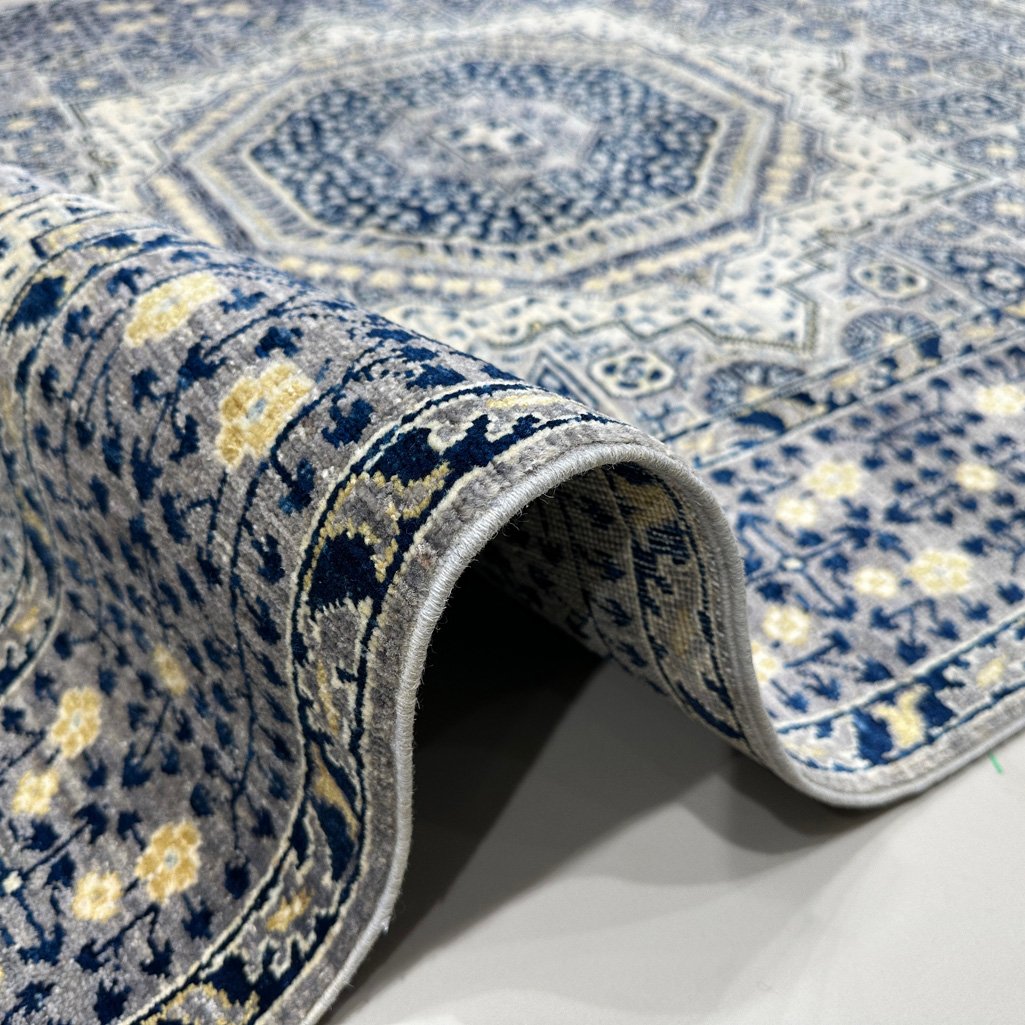
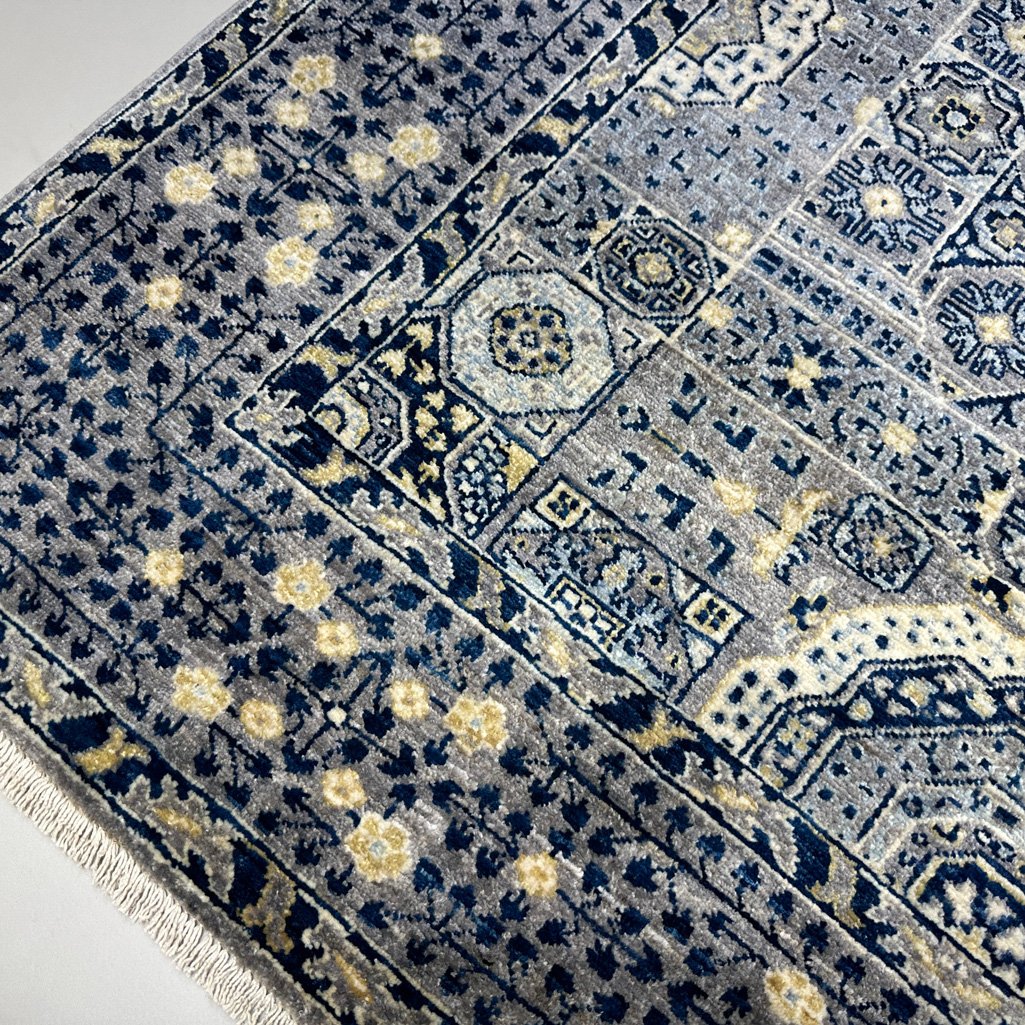
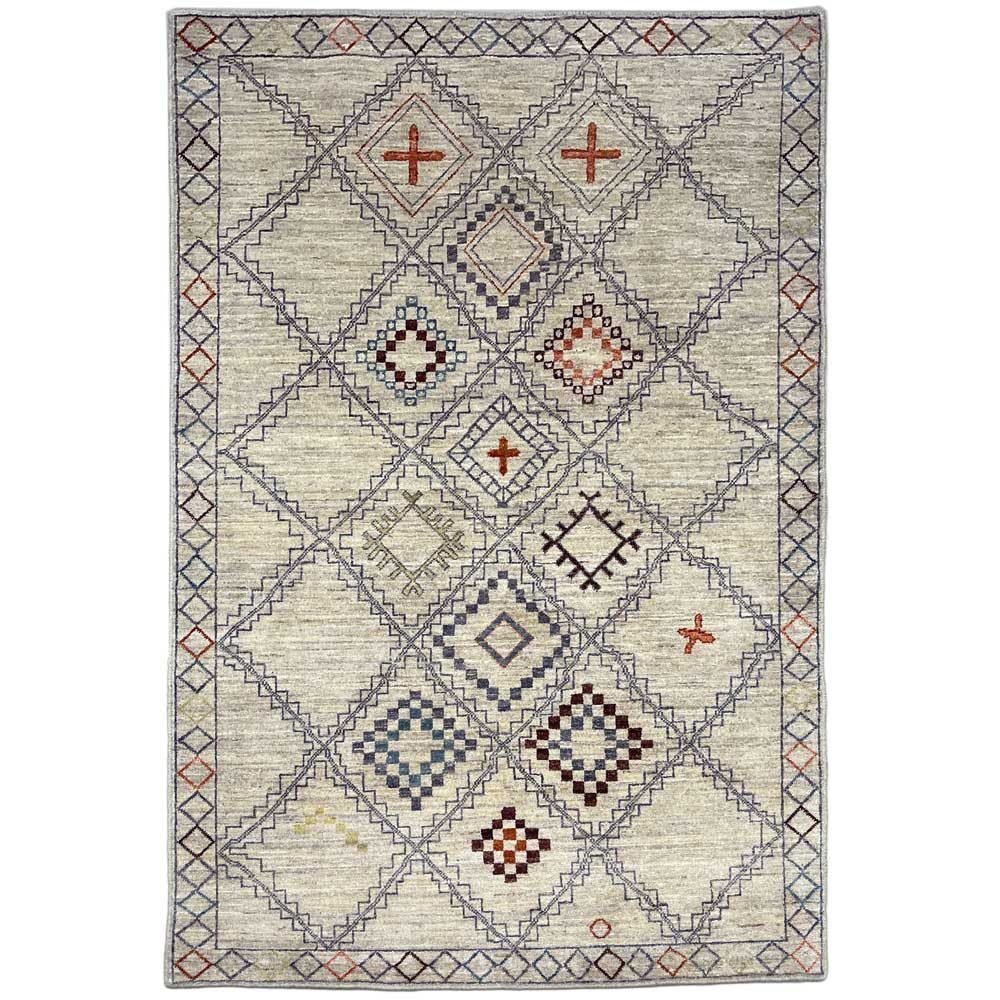
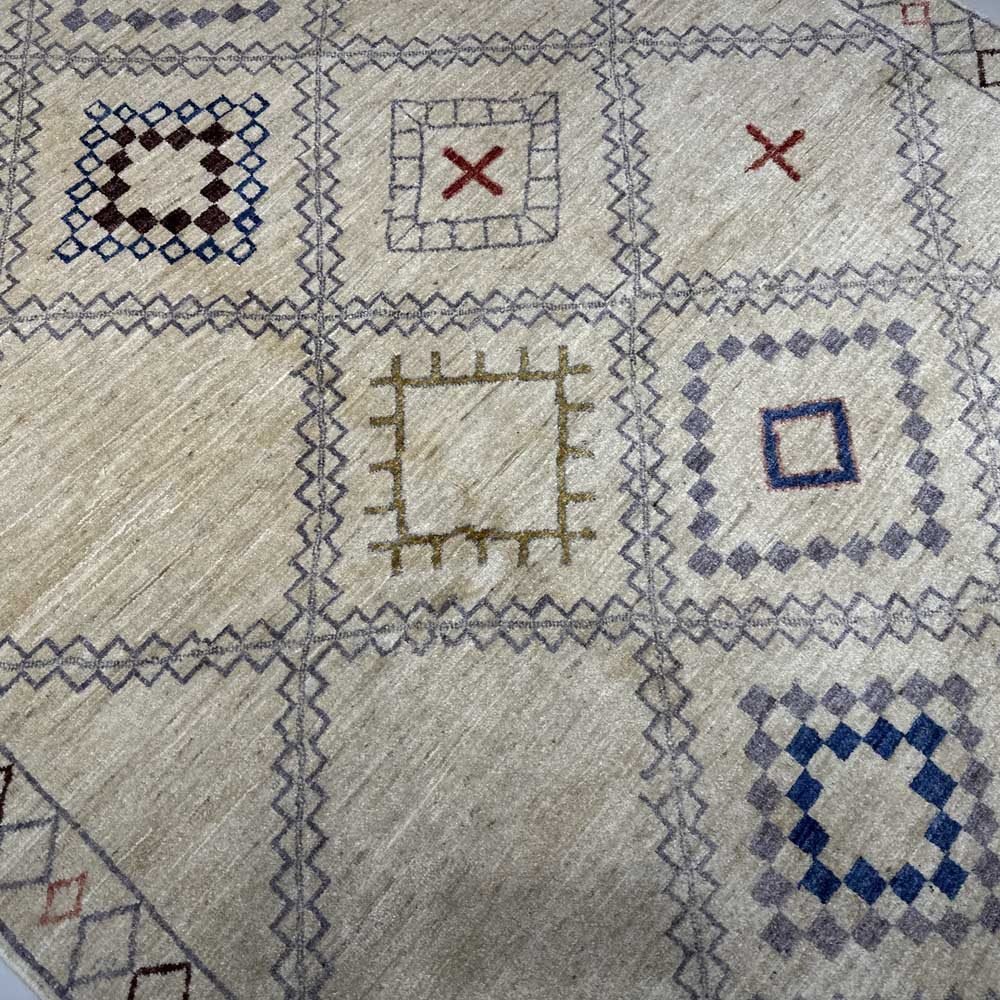
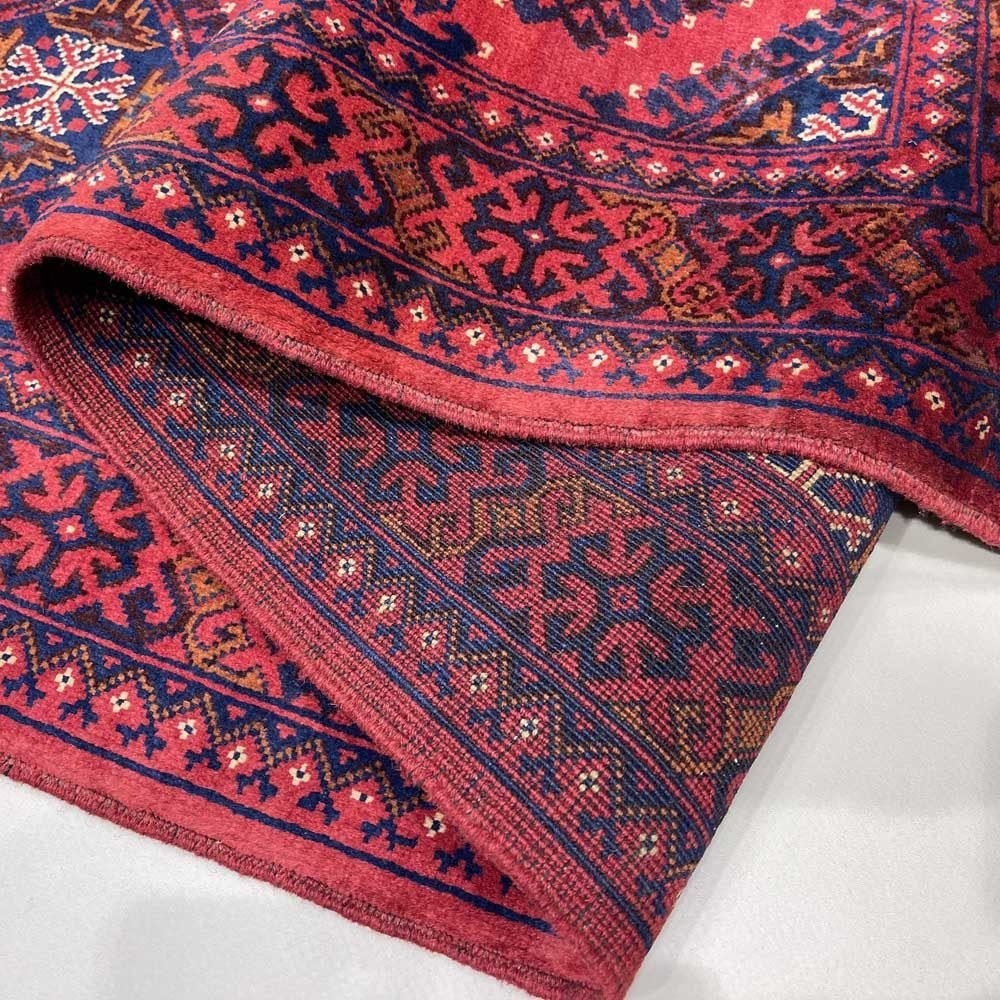
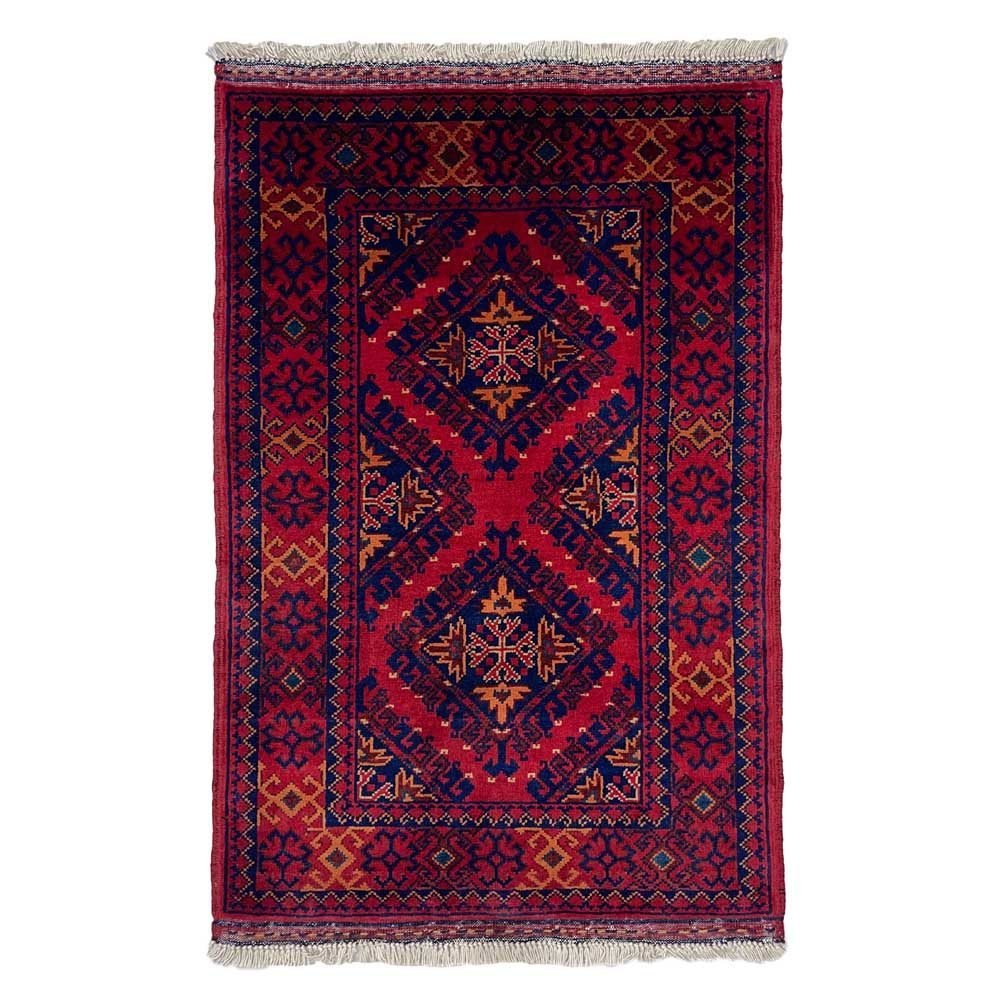
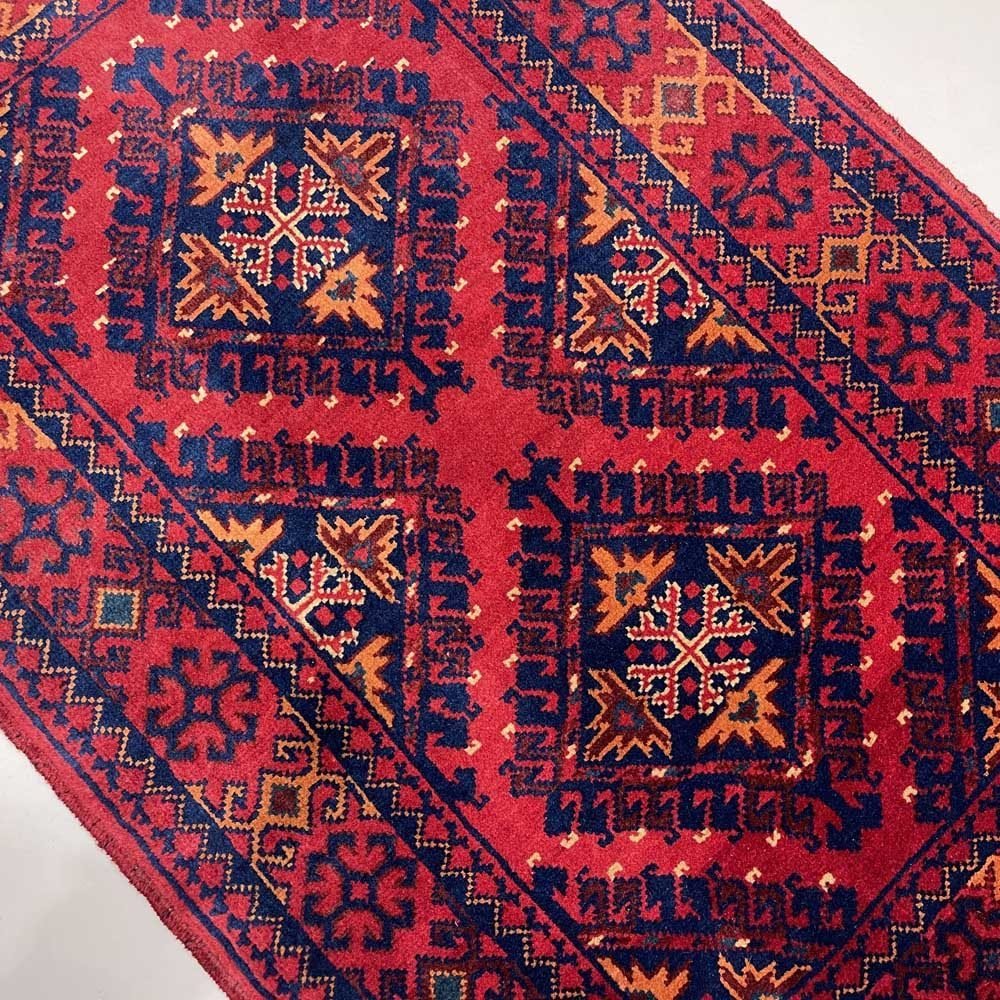
Mamluk rugs are known for their detailed geometric patterns and vivid colours. They are ornamented with octagons, stars and polygons. Their most distinctive feature is the large and striking octagonal or polygonal motif at the centre of the rug. Woven from high-quality wool, Mamluk rugs place great importance on symmetry and balance in their patterns. Enriched with the geometric and stylised plant motifs of Islamic art, they draw the eye with their detailed designs and dense knot structure.
With their rich patterns and vivid colours, Mamluk rugs adapt to many decorating styles. In classic and traditional interiors they sit well with wooden furniture and antique accessories, adding a sophisticated air. In Middle Eastern and Islamic decorating styles they harmonise naturally with mosaic patterns and bright colours. In bohemian and eclectic interiors they create a bohemian atmosphere alongside colourful cushions and handmade objects. In contemporary and modern settings, used with simple furniture, they become the focal point. In rustic and country interiors they add warmth and character together with natural materials. In ethnic and global decors they create a powerful visual impact alongside other ethnic patterns. A Mamluk rug will bring both a sense of history and an aesthetic richness to your space.


 English
  French
  Dutch
Dutch